Why the question matters
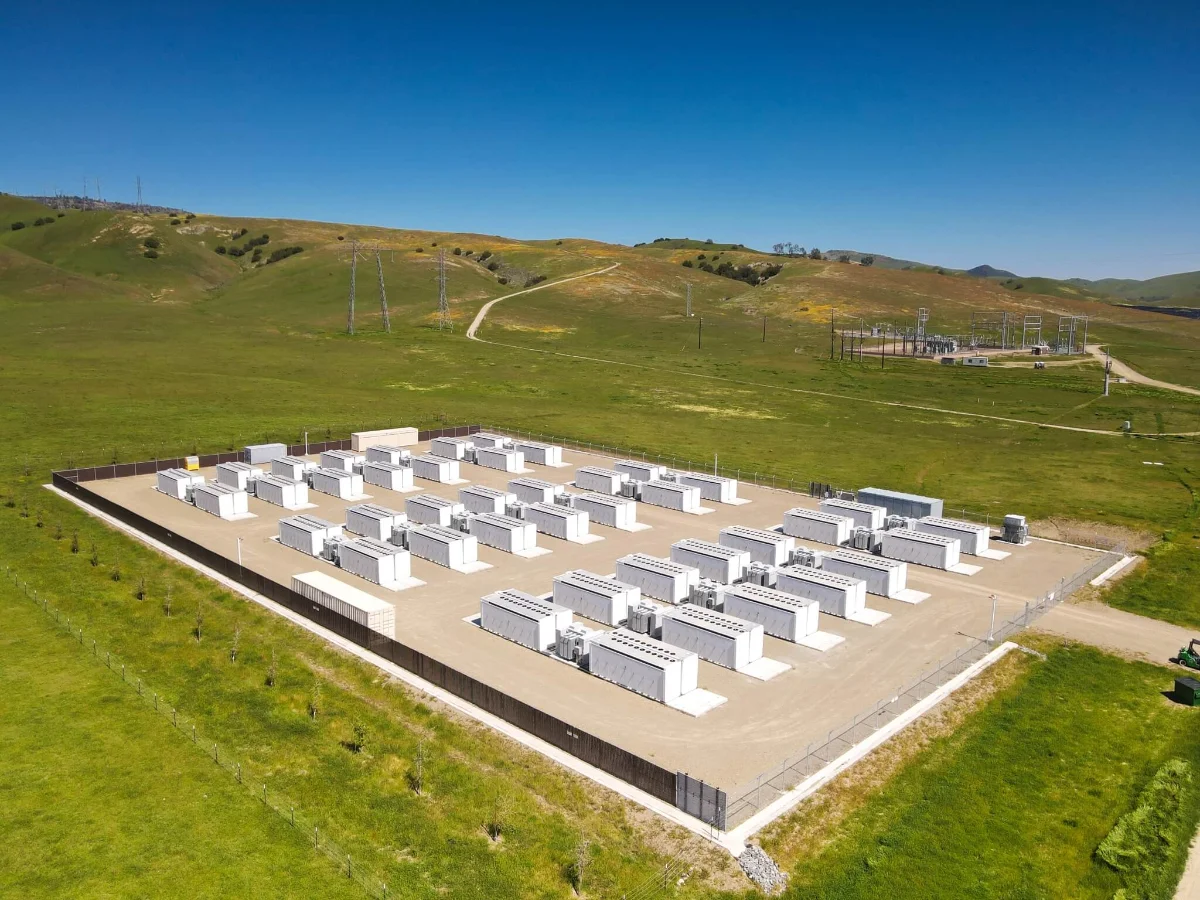
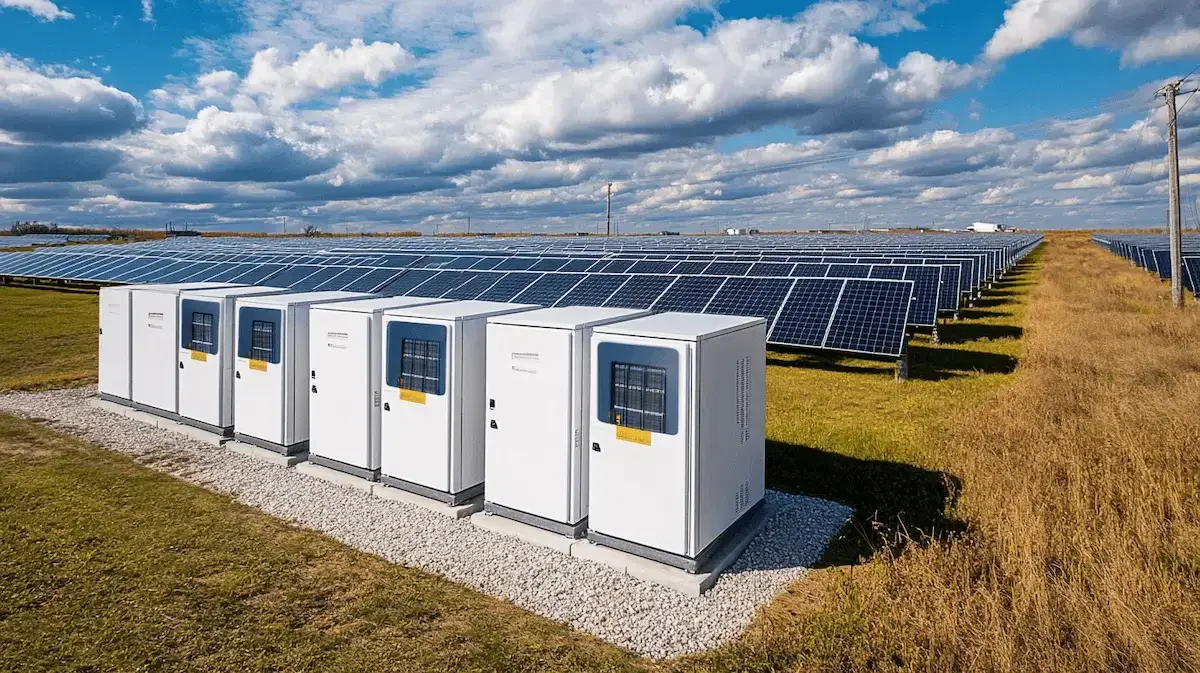
A co-located solar plant is a solar farm and a battery sharing one grid connection. In Türkiye this model moved to the centre of the investment agenda after the 2022 application window. As of July 2026 the co-located pre-licence pipeline exceeds 28 GW, and projects holding a generation licence total more than 3.5 GW.
When to charge the battery looks like a simple question: charge while the sun shines, sell in the evening. In reality the answer depends on three things: where the energy comes from, whether the plant is under support, and how much of the connection capacity is in use in that hour. A badly set charging strategy can turn the battery from a revenue-earning asset into a loss-making one.
The regulatory framework
The Storage Activities Regulation allows the battery in a co-located plant to charge from both the solar plant and the grid. Energy from the two sources is treated differently, and that difference sits at the heart of the charging decision.
The table summarises the main provisions of the regulation for co-located plants. Project licence terms and current regulation take precedence.
For co-located plants commissioned after 1 May 2023 under Law 7189, energy the plant produces, stores and then injects is valued at the YEKDEM price. Energy drawn from the grid and injected back is settled at market prices.
Three charging sources, three different costs
To set the charging decision correctly, the opportunity cost of energy from each source has to be considered separately. Opportunity cost is the revenue you would have earned by selling that energy directly instead of putting it into the battery.
The most important result of this table applies to plants under support. The YEKDEM price does not change with the hour. A MWh produced at noon and a MWh delivered in the evening are paid the same. Storing the plant’s own output while there is room on the connection and delivering it in the evening creates no price advantage; it only produces efficiency losses and degradation cost.
During support, charging from your own output only makes sense for energy that would otherwise be lost.
During support the battery’s economic value therefore comes from elsewhere: capturing output above the connection limit, market arbitrage with grid charging, lower imbalance cost and ancillary services. When support ends the picture changes: the plant’s own output is also sold at hourly PTF, so charging from own output and charging from the grid become the same calculation.
The charging threshold
For energy valued at market prices, a single inequality sets the charging decision. Charging makes sense when the charge price is below the evening price the battery will earn after losses and life cost.
Charge ⇔ P_charge ≤ η × P_discharge − C_deg
Apply this threshold to recent average prices. With 85% efficiency and a degradation cost of 350 TL/MWh, the highest midday price at which charging makes sense is shown below.
TL/MWh. Midday PTF is the 12:00 average and evening PTF the 19:00 average; for June–July 2026 the evening value is the 20:00 average (1 June – 24 July). Threshold = 0.85 × evening PTF − 350.

In spring and summer the decision is clear; the midday price is far below the threshold. In December the midday price sits above it: on an average winter day, charging at noon and selling in the evening loses money once losses and life cost are counted. In winter the battery’s value comes mostly from ancillary services, imbalance management and individual high-volatility days.
Averages are not enough for the decision. In real operations the threshold is recalculated every day against the next day’s expected price curve. Battery duration also changes the decision: a two-hour battery charges in the two cheapest hours of the day and discharges in the two most expensive, and those hours do not always coincide with peak solar output.
Connection capacity: the hidden constraint
In a co-located plant, solar output and battery discharge share the same connection capacity; total injection in each settlement period cannot exceed the licensed capacity. This constraint works in two directions.
At noon, in a plant with DC capacity larger than its connection, output above the limit would be curtailed without a battery. That energy has zero opportunity cost and is always the first priority for charging. Late afternoon is the opposite: between 16:00 and 17:00 the sun is still producing while prices start to rise. In those hours discharge has to make room for solar output, and the real discharge window opens as solar output falls.
DC/AC ratio, battery power and battery duration should therefore be designed together, not separately. A large DC oversizing fills the battery with free energy on spring middays, but that energy does not exist in winter. What the battery will be filled with across the whole year is a question to answer at the design stage.
A sample operating plan for a spring day
This plan is a template, not a rule. In summer 2026 PTF was below 500 TL/MWh in about half of the hours between 11:00 and 15:00, but on some days midday prices rose unexpectedly. The plan’s value lies in correcting the day-ahead decision in intraday: if cloud arrives earlier than forecast, charging is completed from the grid; if the evening price clears lower than expected, discharge can shift to the next morning.
The investor’s view
The mistake I see most often in co-located feasibility studies is modelling the battery as earning from the midday–evening spread during the support period too. During support its revenue rests on curtailed energy, grid-charged arbitrage and ancillary services. The full arbitrage value only appears once support ends.
The second critical assumption is the future of the spread. Once even part of the co-located pre-licence pipeline above 28 GW comes online, midday demand will rise and evening supply will grow. Assuming today’s thirty-fold midday–evening gap is permanent overstates the value of the project’s second decade.
At Frekans we rebuild the charge and discharge plan of the co-located plants we manage every day from next-day generation and price forecasts. The source of energy, support rules and connection capacity are handled in a single optimisation.