

Balance Management at Portfolio Scale
We manage generation assets under our own aggregation and balancing responsible group structures, handling market operations and imbalances with a portfolio approach.
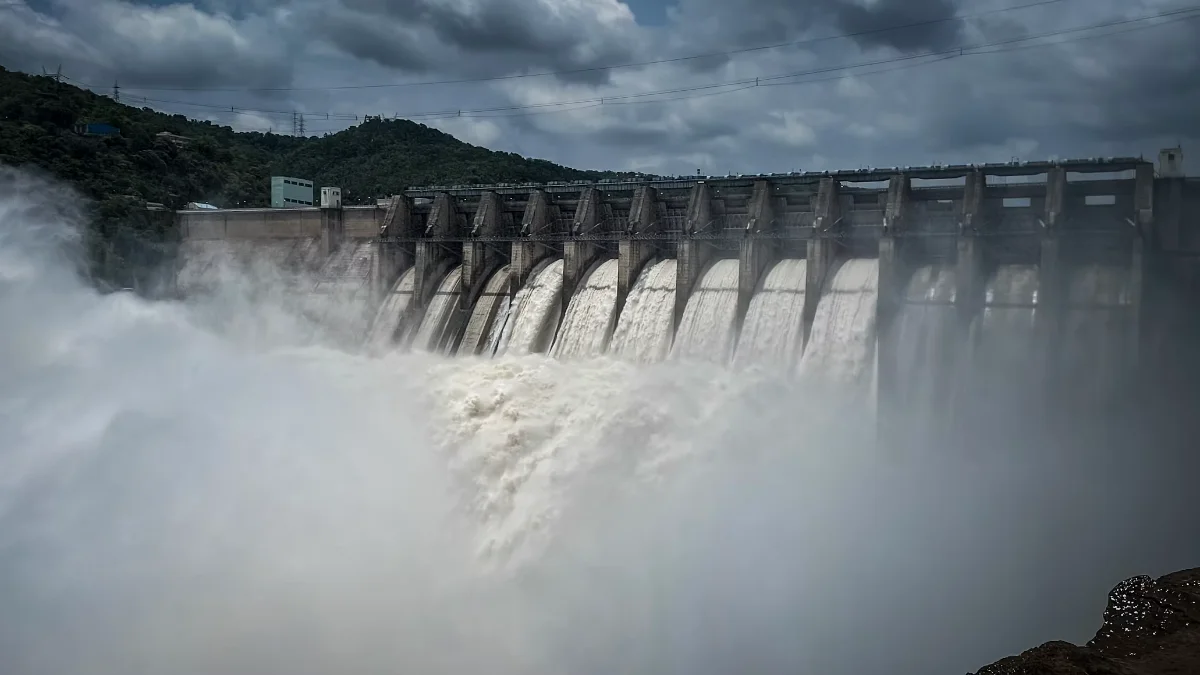
Imbalance is a manageable commercial line
Renewable output changes hour by hour, and every deviation from the scheduled programme is settled as imbalance. Frekans brings your plants together under a Balancing Responsible Group (BRG) and runs market participation, schedule notification and settlement on your behalf.
Our forecasting, trading and operations teams manage the full chain, from Day-Ahead Market (DAM) bids and Intraday Market (IDM) adjustments to imbalance costs and monthly settlement checks. You focus on running the plant; we take on the market-side operation.
Our aim is not only to provide market access, but to set the portfolio’s position right for every hour.
A single plant's deviation is not the same as the deviation of a portfolio of assets with different generation profiles.
Frekans assesses each plant not only on its own, but by its effect within the portfolio.
Flexible output driven by reservoir and flow, shiftable within the day.
Output driven by wind speed, with high hourly deviation.
A clear daily profile, with sudden short deviations from cloud cover.
When different profiles sit in one group, deviations partly offset each other and net imbalance shrinks.
The portfolio’s full market operation, from registration to settlement
Aggregation
We bring your plants into our portfolio and run the administrative and operational processes of market participation with EPİAŞ.
- EPİAŞ registrations, settlement units and meter definitions
- Joining and transferring into the Balancing Responsible Group
- Collateral, market operation fees and invoicing
- A single counterpart for EPİAŞ, TEİAŞ and distribution companies
Balancing
We update generation forecasts through the day and adjust the position on the IDM, reducing real-time imbalance and its cost.
- Hourly plant-level forecasts with intraday updates
- Final day-ahead generation schedule (KGÜP) notifications
- IDM position adjustment and imbalance risk management
- Hourly tracking of imbalance and KÜPST amounts
Portfolio Optimisation
We make commercial decisions on the portfolio’s net position rather than plant by plant, turning differences between assets into value.
- Lower imbalance volume through netting within the portfolio
- Using flexible assets such as hydro and batteries to offset deviations
- Capturing spreads between DAM, IDM and balancing prices
- Plant-level allocation of revenues and costs
A continuous cycle from day-ahead to settlement
Every delivery day is run with the same discipline. Forecasting, bidding, scheduling and settlement repeat every day, including weekends and public holidays.
We forecast next-day hourly generation from weather models and plant data and submit the portfolio bid to the DAM.
Based on DAM results, we prepare plant-level schedules and notify the system operator on time.
We monitor updated forecasts and balancing instructions and adjust the position on the IDM when it pays.
We check meter data and settlement notices and report results plant by plant.
We don't just report forecast changes.
When a new generation forecast comes in, we assess whether changing the market position makes economic sense.
Imbalance management is not a passive accounting task. It is an active trading function.
Lower cost, more predictable revenue
Netting within the portfolio and intraday adjustments reduce the imbalance volume that gets settled.
Imbalance costs fluctuate less, making budgeting and financing easier to plan.
Registration, scheduling, settlement and invoicing are run by one team.
Forecasts and positions are monitored continuously, including weekends and public holidays.
We report generation, deviation, imbalance cost and market revenue plant by plant.
New plants, hybrids and storage join the existing portfolio management through the same processes.
About aggregation and balancing
Market access. Trading. Optimisation.
We use essential cookies to run the site and remember your language. Analytics and marketing cookies are only used with your consent. You can change your choice at any time from the footer. Cookie Policy